With this third episode we dive into what it means to accept one’s desire, and how this does not coincide necessarily with a happy and tranquil life. We see how much easier it can be to just surrender to the expectations of others, as opposed to pursuing our desire – what Lacan calls ‘encountering the real’.
Then, we see what the ideal conditions for the growth – and fulfilment – of this desire are. Surprisingly, it’s not a lack of limits or a disinhibited freedom of flowing that encourages its manifestation; it’s a ‘NO’ that creates the opportunity.
Today, we dive into the connections between our concept of identity and our unconscious; we see how the rigidity of our definitions causes a risk of rupture between us and our most personal desire, our creative Self. Then, we look into the ethical issue of responsibility in relationship to this new concept of symptom: if I cannot choose my desire, can it become an alibi? Something above my will, an excuse?
How many times life gives us the impression of moving in circles, rather than straight, towards a destination?
And how many times those destinations feel like yet another beginning? There’s not even the time to realise we arrived, and we are already leaving.
We fantasise about places that we haven’t reached, situations that we haven’t experienced, people that we haven’t met. We make plans and we convince ourselves we will move linearly towards a goal. But that linearity is just an illusion. And a boring one, too.
We move, we stop, we ponder, we go back, we change plans, we transition, we bail, we reinvent, we turn around, we change.
There is a process, much deeper than the one we force on ourselves. And it’s a never ending cycle of integration. 🔄
Certainty, doubt and assimilation.
Thesis, antithesis and synthesis.
It’s a process with meaning, and one goal: learning. Being better not by gaining more medals, reaching more goals, but by being always a bit different, a bit wiser, a bit more aware, more in contact.
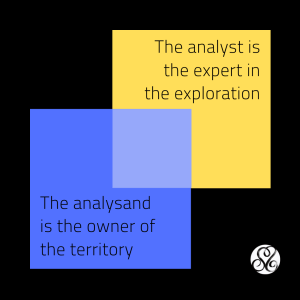
These words capture that intangible force we experience in counseling; never fully the client’s, never completely the counselor. That force, that has led many of us to liberation, revolution, awareness, is created in the interaction between two, irreplaceable individuals.
There is one of them who comes with 📔 a story, ⚙️ a complaint, 🧩 a request.
🔥 For some these are messy, unclear, all tangled together. There is a raw emotion, something growing inside. It’s almost physical; so, when the therapist asks “where do you feel it?”, at first it’s strange but then the answer is found while searching for it. “It’s in my hands” and suddenly something blurry starts having a shape, a home, a story.
🌊 For others, it’s words. It’s a definition. There is a statement, prepared just to unveil what’s safe and leave out the rest. Words reveal and protect, rationalise the emotion. So, if there is a wall between the two, they will both have to look at it. There will be a way around it only together.
With the experience of the one who knows how to move around walls, how to climb them, how to read what’s on them; and the wisdom of the one who created it, and knows what it’s made of, and what’s behind it.
🌞 Counseling happens there, in that space brought by both parts.
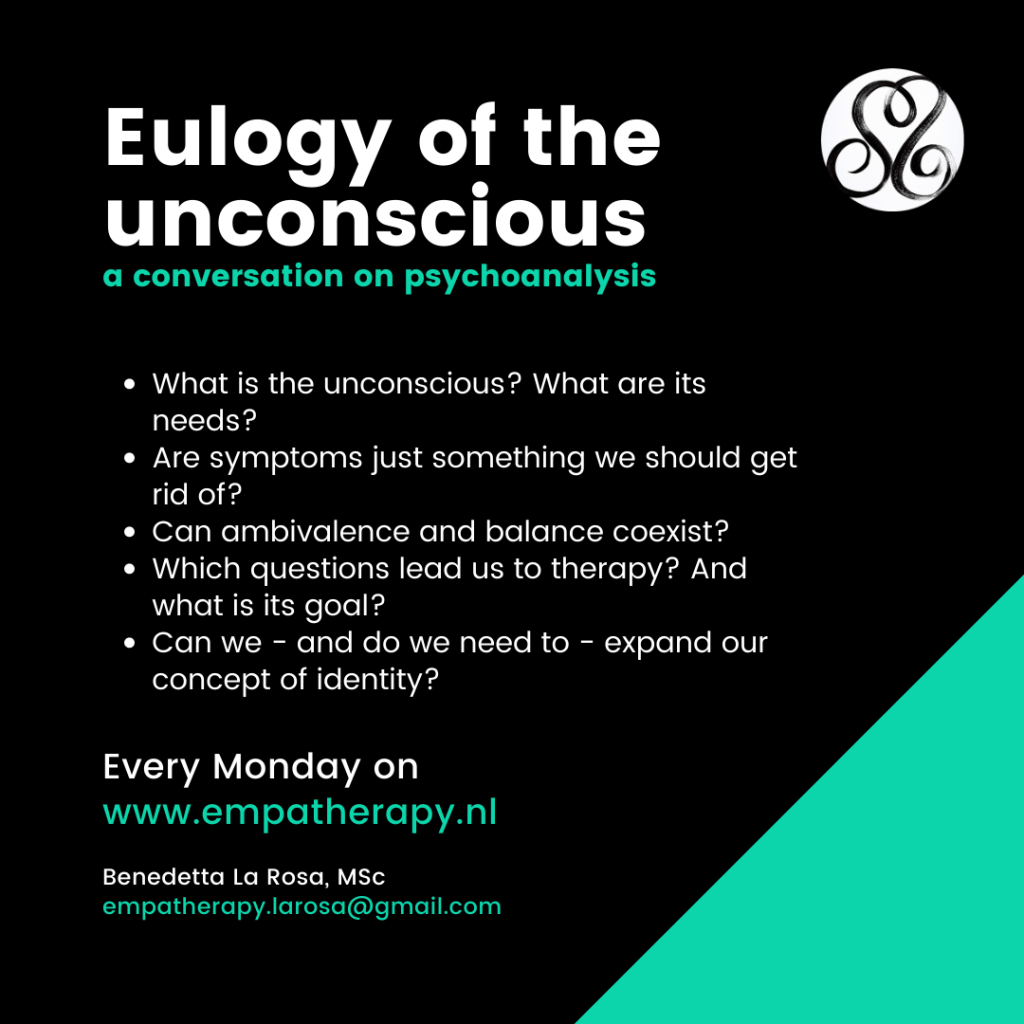
During this first episode, we start approaching the concept of ‘unconscious’. First, we look at the innovation brought by the Freudian unconscious, different from previous definitions, and how it interplays with a different concept of man, therapy and fulfilment. Then, we look at the way the external world becomes a primary contributor in our internal one, how our relationships are the foundations of what we come to understand as ‘us’.
I am excited to inform you that from next Monday, 24th of August, I will be starting my short series on the unconscious. It will be a chance to answer many questions about psychodynamic theory and its implications, to explore concepts that do not only belong to this approach but are useful in the clinical field and in life.
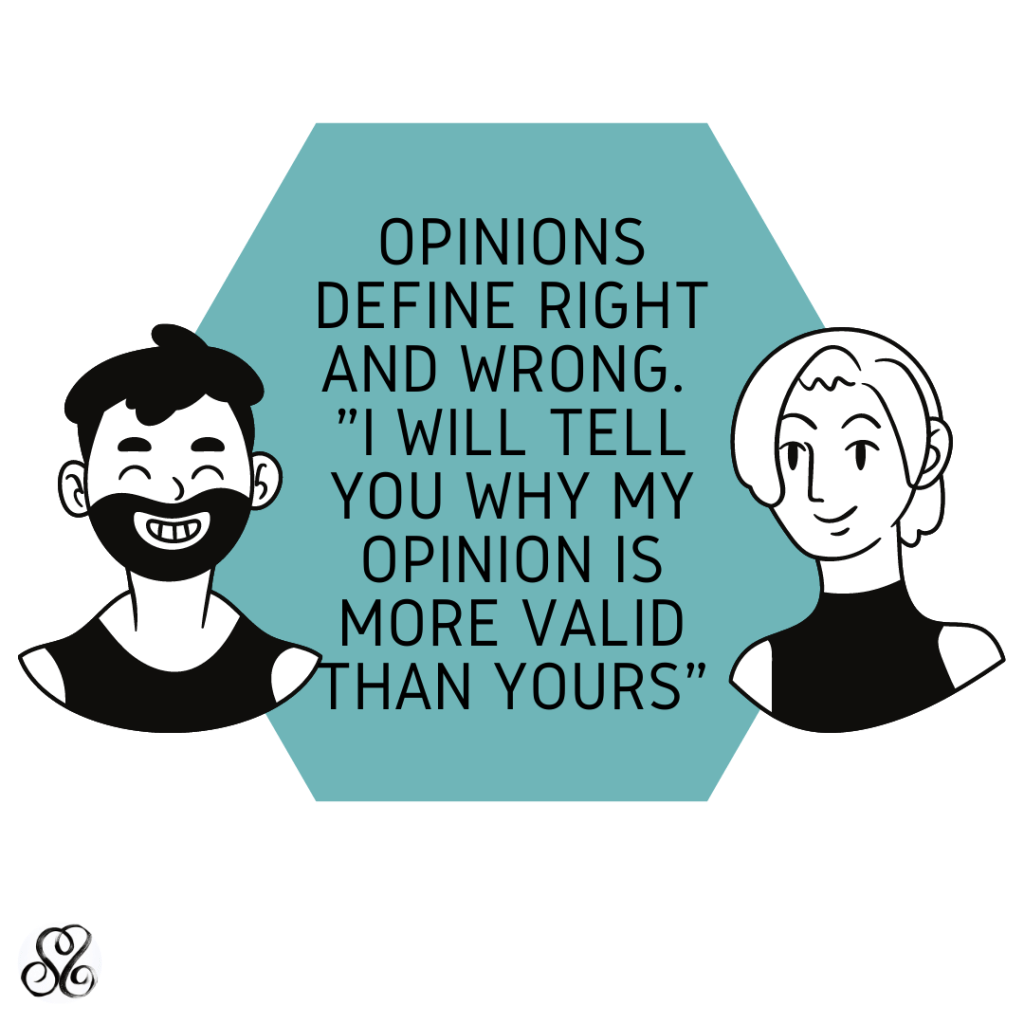
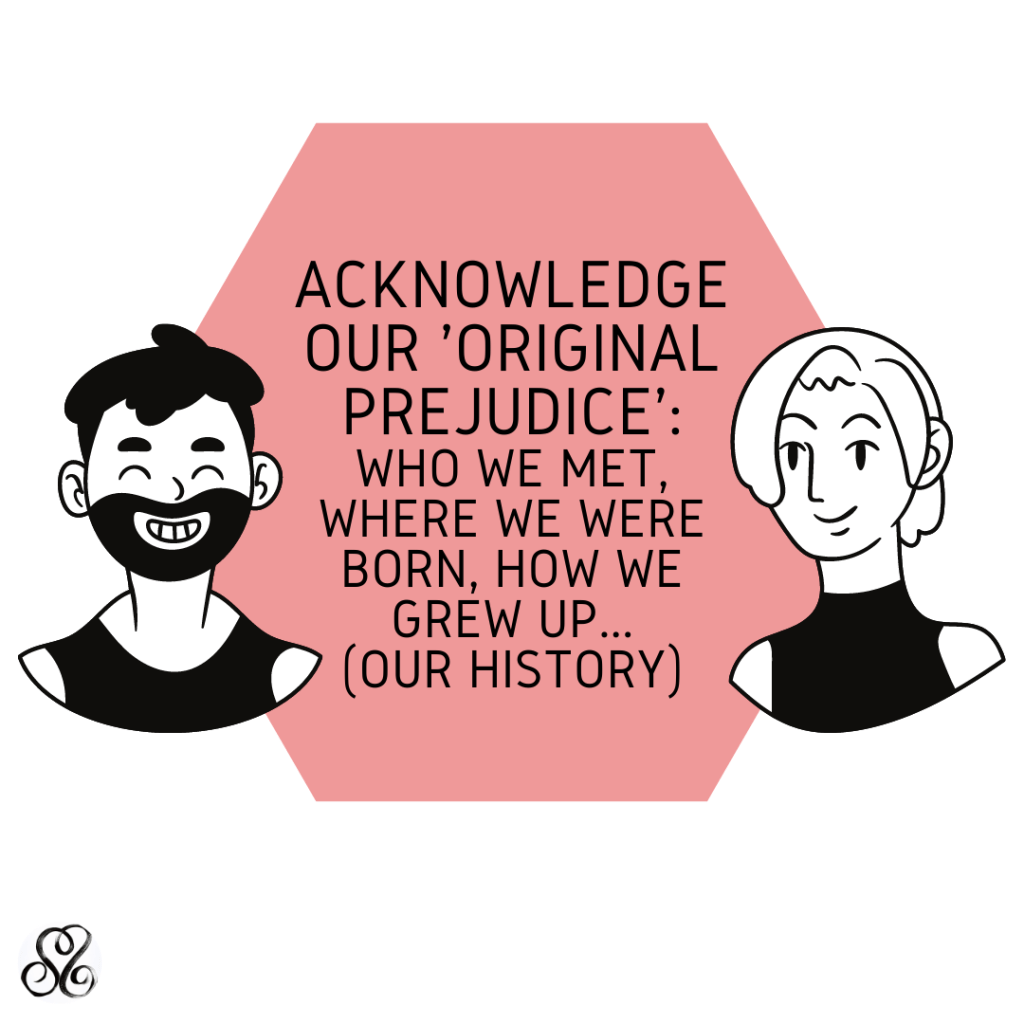
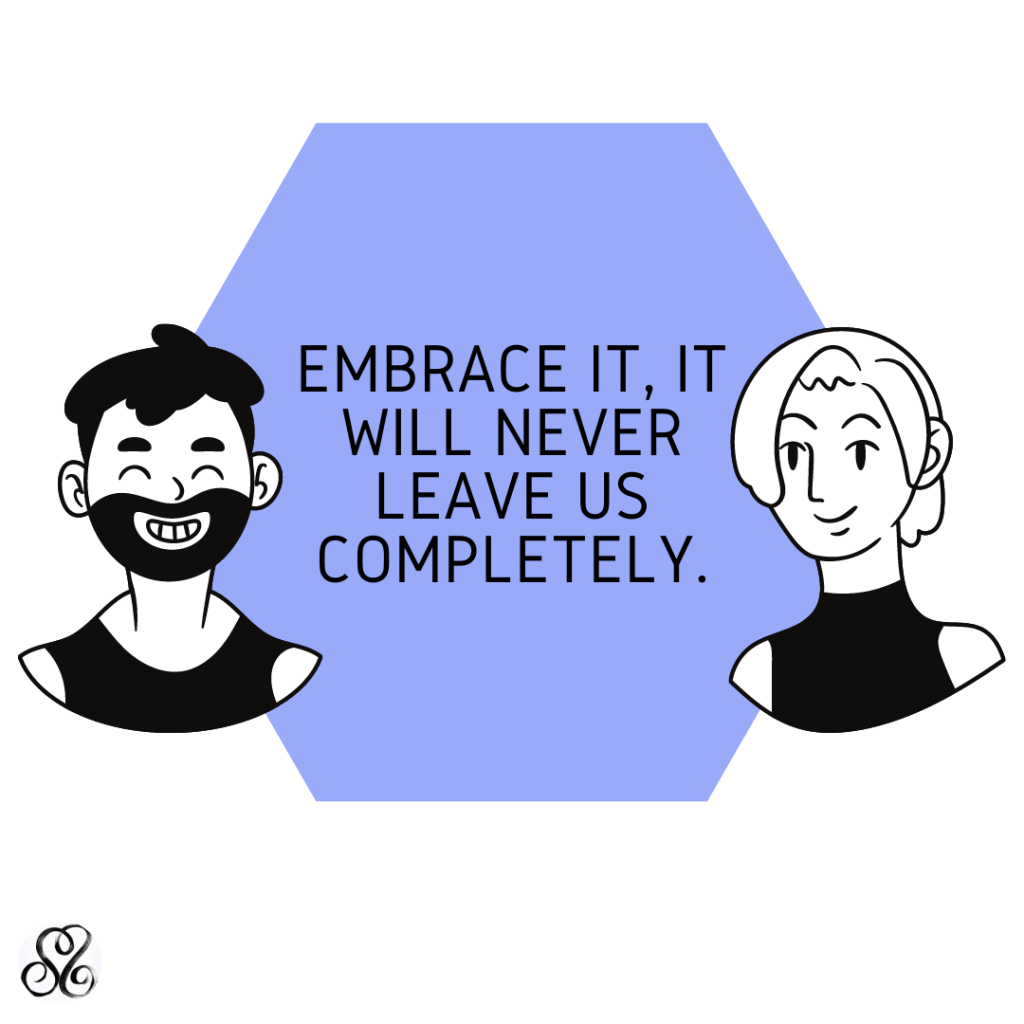
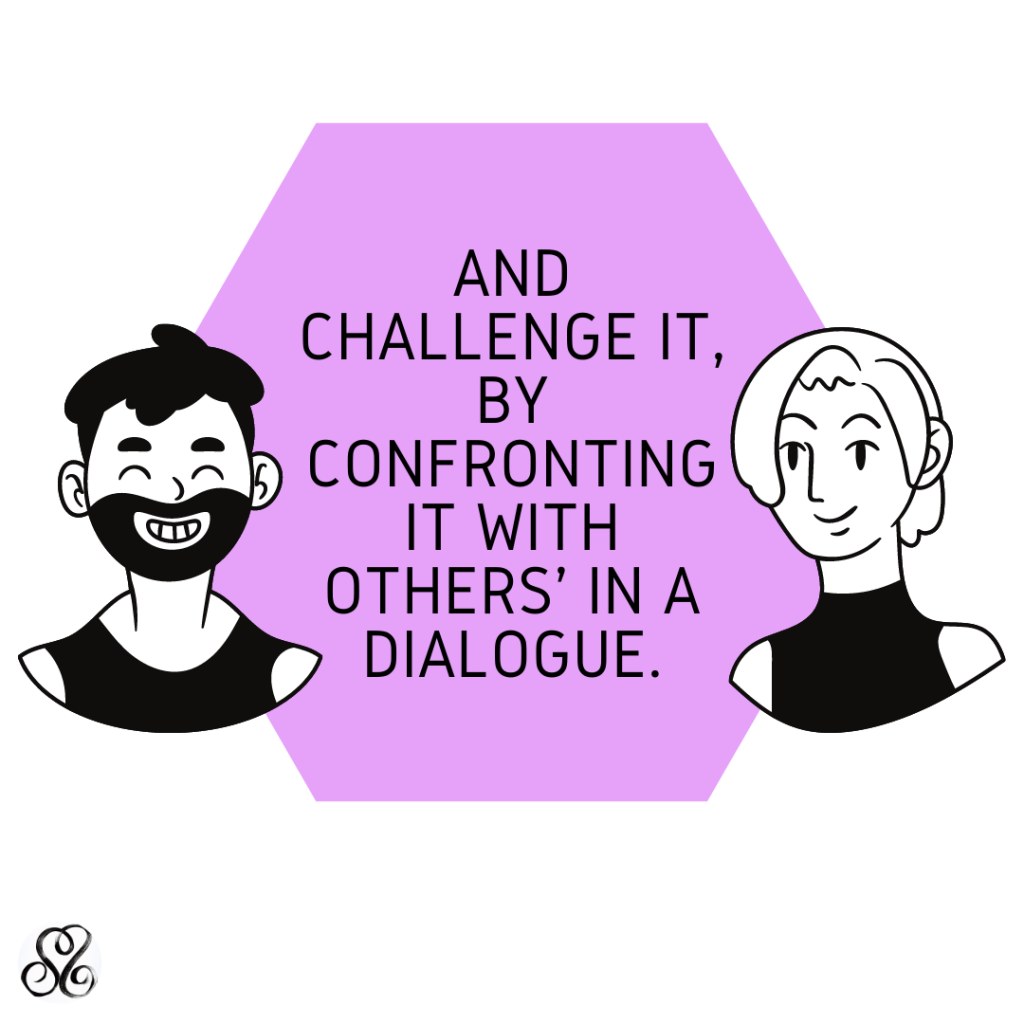
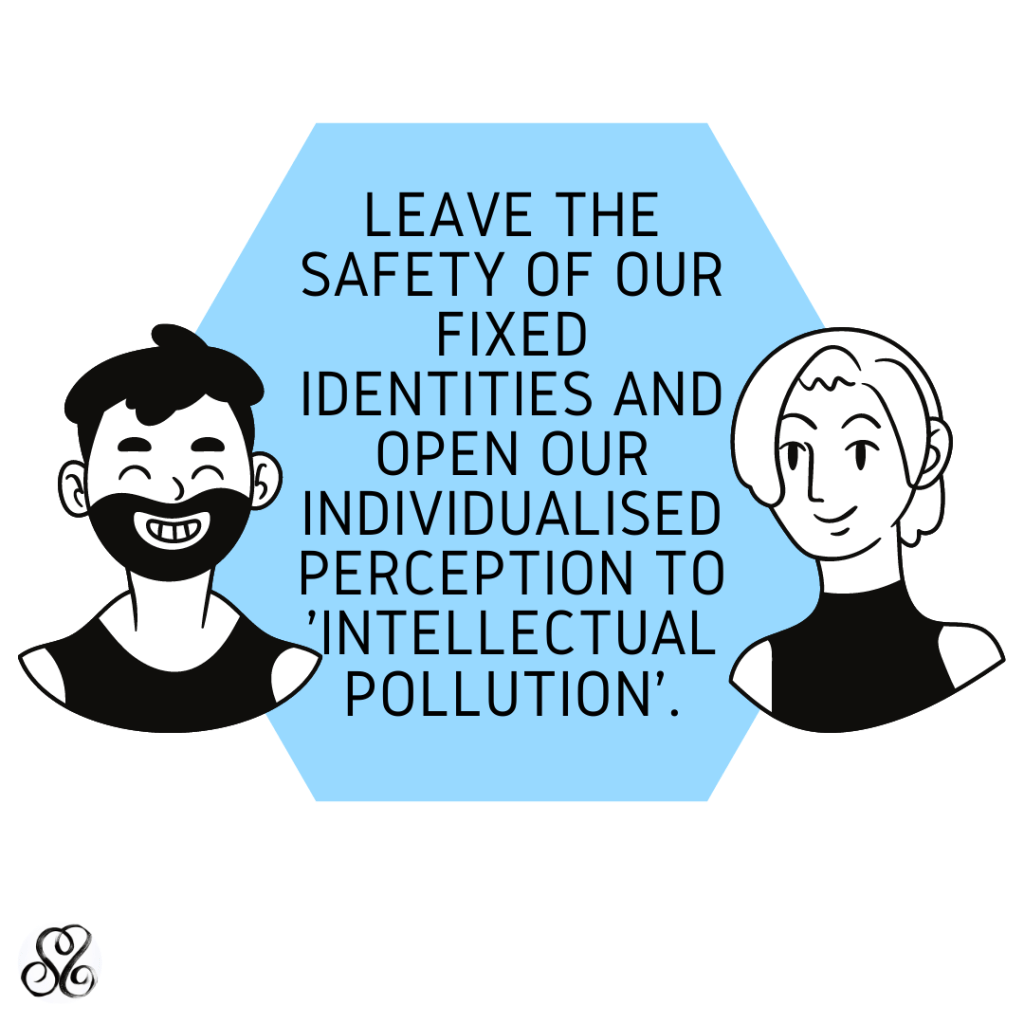
Having better conversations, according to Umberto Galimberti. (This is a summarised version of a video by Umberto Galimberti that you can find here. Unfortunately it’s only available in Italian.) Opinions are hard to dismantle, because they are the structure on which we built our identity. If we let go, we feel like falling down, losing what makes us US. And even if they protect us, they also prevent us from growing, changing, learning, because they are fixed and have the precise goal of being considered legitimate and right, and excluding the rest.
What is truth, instead? Galimberti says that truth stands on its own, and is proven right with logic. It’s temporary, because it always looks for confutations and new challenges. And it’s wonderfully plastic. And truth orientates the dialogue to humility, love for knowledge and our interlocutor. Together, we are adding to the truth. We are working for it. Not one against each other, but in collaboration. Always assuming the other knows more.
And this way of approaching reality is the way to acknowledge our history as a set of prejudices. Instead than fighting them, let’s embrace them and take them with us in conversations. It’s the only way to grow and heal.







 Empatherapy